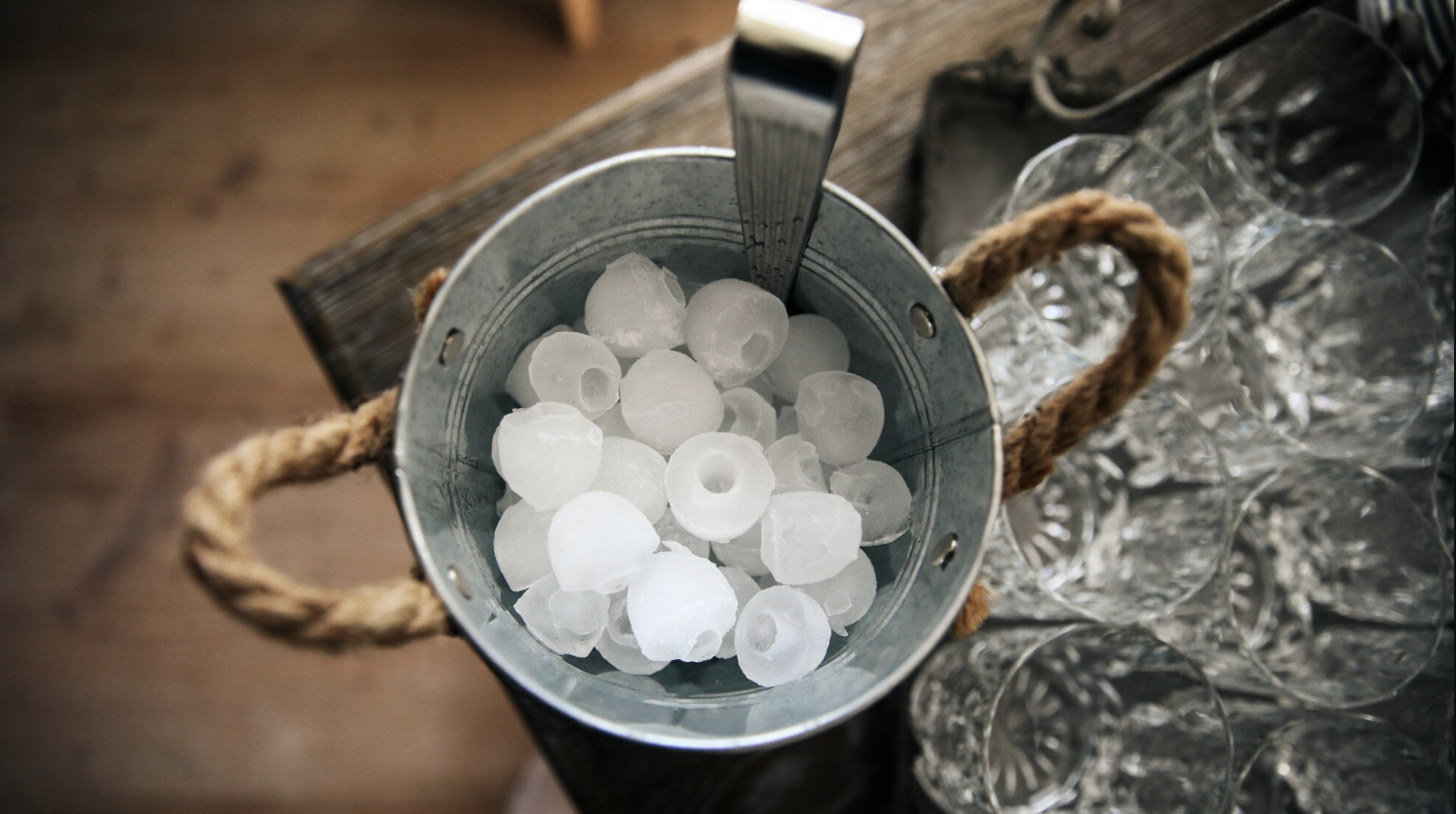
Your ice maker should produce ice cubes that are consistent in size and shape. When cubes suddenly become small, thin, hollow, or misshapen, it usually means the ice maker isn't receiving the right amount of water or isn't operating under the proper conditions. The good news is that several common causes can be identified through simple checks before a more serious component problem develops.
One of the most common reasons for small or incomplete ice cubes is an insufficient water supply. The ice maker needs enough water during its fill cycle to create properly sized cubes. If water flow is restricted, the mold may only partially fill.
Possible causes include:
Make sure the ice maker's water supply line is not kinked and that the shut-off valve is fully open. If water flow still appears weak, the appliance may require further inspection.
Ice production depends on the freezer or ice-making compartment reaching and maintaining a sufficiently cold temperature. If the temperature is too warm or fluctuates frequently, the ice may freeze slowly, remain incomplete, or develop an unusual shape.
| Possible Temperature Issue | Potential Result |
|---|---|
| Freezer temperature too high | Small or soft ice cubes |
| Frequent temperature fluctuations | Inconsistent ice production |
| Blocked airflow | Uneven cooling around the ice maker |
Check that the freezer is maintaining the temperature recommended by the appliance manufacturer and that food isn't blocking vents responsible for circulating cold air.
If your refrigerator or ice maker uses a water filter, a clogged or overdue filter can restrict water flow to the ice maker. Less water entering the mold can result in smaller cubes, hollow centers, or incomplete batches.
Follow the manufacturer's recommended replacement schedule.
Slow water dispensing can also indicate a restricted filter.
Replacing the filter with the correct model can restore proper water flow. If ice production remains inconsistent afterward, another component may be responsible.
When water supply, filtration, and temperature are normal, the problem may be inside the ice maker itself. Several components work together to fill the mold, freeze the water, and release the finished cubes.
Potential component problems include:
If the ice maker produces consistently small cubes despite adequate water flow and proper temperature, the unit may need professional diagnosis.
A technician can test the ice maker components and determine whether the issue is related to water delivery, temperature sensing, the motor, or the control system.
Maintaining consistent ice production starts with keeping the appliance clean, properly supplied, and at the correct temperature.
| What to Check | Why It Matters |
|---|---|
| Water supply line | Ensures adequate water reaches the ice maker. |
| Water filter | Helps maintain proper water flow. |
| Freezer temperature | Supports proper freezing and ice formation. |
| Interior airflow | Helps maintain consistent cooling. |
| Ice maker components | Ensures proper filling, freezing, and harvesting. |
Small or misshapen ice cubes are often connected to restricted water flow, incorrect temperatures, a clogged filter, or a problem with one of the ice maker's internal components. Checking the basic water supply, filter, airflow, and temperature can help identify simple causes. If the problem continues, professional diagnosis can help restore consistent ice production and prevent a small issue from becoming a larger appliance repair.