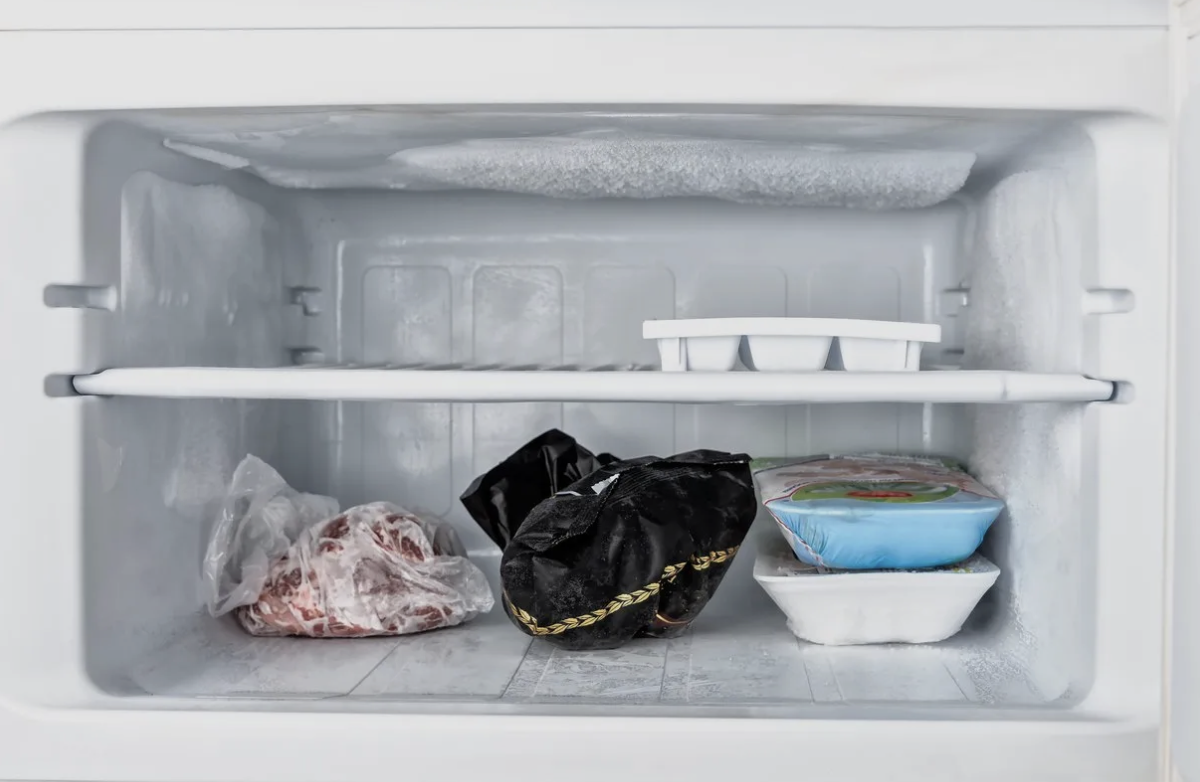
Finding a light layer of frost in your freezer can be normal, but heavy frost buildup is usually a sign that something isn't working as it should. Excessive ice can restrict airflow, reduce available storage space, and force your freezer to work harder to maintain the right temperature. Understanding what causes frost buildup can help you identify the problem before it leads to more serious appliance issues.
Frost forms when warm, humid air enters the freezer and comes into contact with cold surfaces. A small amount of frost may develop naturally, but significant accumulation usually means that moisture is entering the compartment more often than it should or that the freezer's defrost system isn't removing it properly.
Common causes include:
Try to minimize the amount of time the freezer door stays open. Reducing warm-air exposure can help prevent unnecessary moisture and frost formation.
The freezer door gasket creates a tight seal that keeps cold air inside while preventing warm air from entering. If the gasket is cracked, hardened, dirty, or no longer fits tightly against the cabinet, warm air can continuously leak into the freezer.
Look for cracks, gaps, or areas where the seal has become loose.
Make sure food packages aren't blocking interior vents.
Blocked airflow can also create uneven temperatures inside the freezer. When cold air cannot circulate properly, some areas may become colder while others remain warmer, causing the appliance to run longer and potentially increasing frost buildup.
Modern frost-free freezers use an automatic defrost system to periodically melt frost from the evaporator coils. If one of these components fails, frost can gradually accumulate until it covers the coils and restricts airflow.
Possible causes include:
If frost returns quickly after the freezer has been manually defrosted, the problem may be related to the automatic defrost system rather than normal moisture buildup.
Because these components involve electrical and mechanical systems, persistent frost problems are best evaluated by a qualified appliance technician.
Heavy frost does more than make your freezer look untidy. As ice accumulates around the evaporator coils and air passages, it can prevent cold air from circulating efficiently throughout the compartment.
| Frost Problem | Possible Effect |
|---|---|
| Blocked Airflow | Uneven temperatures throughout the freezer |
| Covered Evaporator Coils | Reduced cooling efficiency |
| Longer Run Times | Higher energy consumption |
| Excessive Ice | Less usable storage space |
Ignoring excessive frost for too long can place additional strain on the freezer's cooling system and may eventually affect food storage temperatures.
Some frost problems can be related to simple issues such as an improperly closed door or blocked vents. However, professional service may be necessary when frost continues to return or is accompanied by other performance problems.
The freezer develops heavy frost again shortly after cleaning.
Food isn't staying consistently frozen or temperatures fluctuate.
Fans, compressors, or other components produce unusual noises.
A technician can inspect the door gasket, evaporator fan, defrost system, sensors, controls, and other components to identify the underlying cause instead of simply removing the visible frost.
A freezer covered in frost is often a sign that warm air is getting inside, airflow is restricted, or the automatic defrost system isn't working properly. Addressing the cause early can improve cooling performance, reduce unnecessary energy use, and help prevent further damage. If excessive frost keeps returning despite checking the door seal and airflow, professional diagnosis can help restore your freezer to reliable operation.